

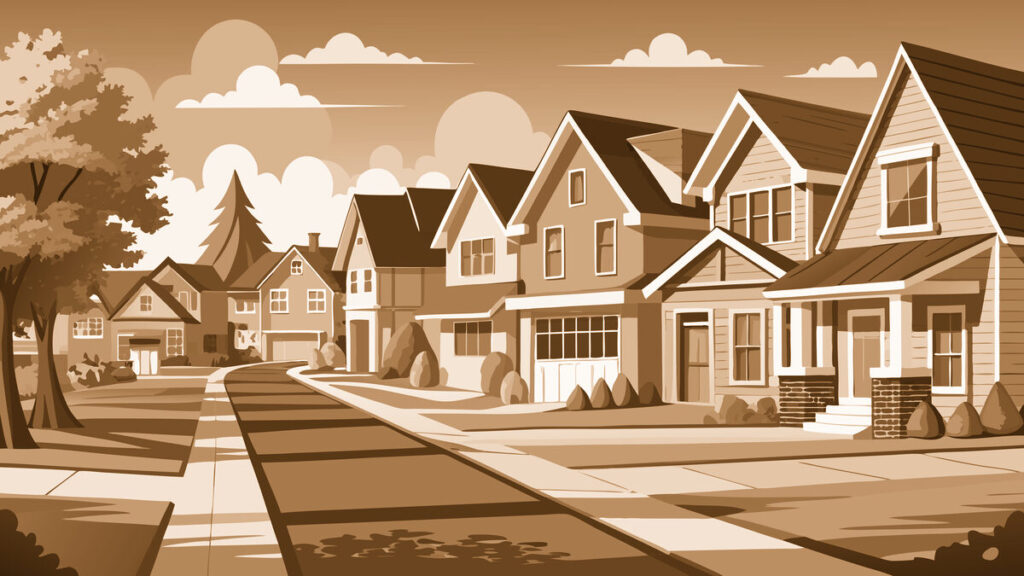
Nestled on the gentle hills east of downtown Lincolnton, Arbor Ridge stands today as a testament to the thoughtful planning, deep roots, and vibrant community spirit that define the city’s most beloved neighborhoods. Traveling down Arbor Ridge Drive or wandering the shaded paths beside its quiet cul-de-sacs, it is easy to see why so many families choose to call this place home. But Arbor Ridge is more than tranquil streets and well-kept lawns—it’s a living reflection of Lincolnton’s past, its adaptive growth, and the strong bonds that knit neighbors together.
The Origins of Arbor Ridge: A Vision Among the Trees
The story of Arbor Ridge begins in the early 1990s, at a time when Lincolnton was blossoming, eager to balance historic preservation with the need for modern living spaces. Local developer Charles “Chuck” Beasley, inspired by the mature oak and hickory trees dotting what was then rolling farmland, envisioned a neighborhood that would honor the area’s natural beauty. Rather than clear-cutting, Beasley’s approach was unique for the era: roads and lots would curve and swerve, with the existing canopy dictating design.
When it came time to name the community, “Arbor Ridge” was selected—a nod to the stately trees (arbor being Latin for “tree”) and the slight ridgeline that runs through the property, giving homes beautiful vantage points and a sense of elevation uncommon in the region.
Crucial Milestones: Building a Neighborhood, Nurturing Community
The first homes along Arbor Ridge Drive and Timber Trail Lane broke ground in 1994, setting a standard for quality and architectural harmony. These early residences highlighted broad porches, gabled roofs, and locally sourced brick, echoing both contemporary tastes and Lincolnton’s historical character.
Key developments over the years included:
- The Addition of Heritage Oaks Park (1998): Just off Willow Court, this community green space preserved a clutch of old-growth trees and provided a site for picnics, children’s play, and annual Arbor Day celebrations.
- The Founding of Arbor Ridge Homeowners Association (2001): As the neighborhood grew to over 120 homes, residents came together to establish guidelines that protected the community’s appearance and fostered neighborly involvement through seasonal events and neighborhood watches.
By the mid-2000s, Arbor Ridge continued to grow with the inclusion of adjacent streets like Maple Ridge Lane and Hickory Hills Road, maintaining the community’s hallmark tree buffer zones and walking trails.
Notable Landmarks: Stories Behind the Streets
Stepping through Arbor Ridge, every street and corner seems to hold a small story. Though the neighborhood lacks the towering historic structures of downtown Lincolnton, it integrates subtle nods to heritage that residents cherish.
- Heritage Oaks Park: Beyond play equipment and open fields, the park features a memorial plaque honoring the original farm families—most notably the Reinhardts and Beasleys—who once worked these lands. Each year, the annual Arbor Ridge Founders’ Picnic gathers neighbors to share stories, food, and local music under the canopy.
- The Brick Gateposts at Arbor Ridge Drive: Designed to mirror Lincolnton’s own historic downtown pillars, these gateposts include time capsules—buried by the very first residents, with notes and memorabilia to be opened on the neighborhood’s 50th anniversary.
- Preserved Spring House: Along the path by Willow Court runs a humble stone structure, the last vestige of a 19th-century spring house, recently marked by a historic plaque thanks to resident-led efforts. It stands as a reminder of the self-reliant farming days, a touchstone for school field trips and neighborhood history walks.
Evolution Through the Decades: From New Subdivision to Lincolnton Legacy
What truly sets Arbor Ridge apart is how it has gracefully evolved alongside Lincolnton’s own growth. Early residents were drawn by new construction and quiet, leafy streets. Over the years, as children grew up and original owners welcomed new families and retirees, Arbor Ridge developed a proud, multigenerational fabric.
The Homeowners Association has guided this evolution by encouraging both tradition and innovation:
- Architectural Consistency: While maintaining a distinctive character, guidelines have adapted to allow environmentally friendly updates, such as solar panels and native plant landscaping—ensuring Arbor Ridge remains both historic and forward-thinking.
- Annual Events: Seasonal gatherings—like the Halloween parade down Arbor Ridge Drive and winter luminary walks—continue to draw new neighbors into the fold, ensuring everyone feels the sense of belonging and celebration.
- Education and Outreach: Proximity to East Lincoln Middle School and the Lincolnton Public Library, along with community tutoring events held in the park, make Arbor Ridge a nurturing environment for young learners.
Why Arbor Ridge Endures: A Neighborhood Rich in Heart and Heritage
Ask any longtime resident, and they’ll tell you it’s more than the beautiful homes or the winding, tree-lined boulevards that make Arbor Ridge special—it’s the enduring spirit of community. Generations of Lincolnton families have shared in the neighborhood’s milestones, both large and small, from the planting of the first oak saplings to the laughter of children at the Fourth of July picnic.
In Arbor Ridge, heritage isn’t just history on a plaque—it’s in every neighborly wave, every annual celebration, and every collective effort to honor the roots while making space for new branches. Today, Arbor Ridge remains one of Lincolnton’s most sought-after and welcoming communities, as much for its quiet beauty as for the stories that echo along its shady walks.
Come for the trees, stay for the neighbors, and discover a corner of Lincolnton where history is always growing.